Why Do Cleaning Products Foam ?
 Ahmed Ezz
Introduction
Have you ever wondered why many cleaning products create foam the moment you use them?
Foam is more than just bubbles—it plays an important role in how cleaning products work and how we perceive their effectiveness.
In this guide, we’ll explain why cleaning products foam, how foam works, and whether more foam really means better cleaning.
What Is Foam?
Foam is a collection of air bubbles trapped in a liquid. In cleaning products, foam forms when special ingredients mix with water and air, creating bubbles that spread across surfaces.
These bubbles help cleaning agents stay in contact with dirt, grease, and stains for longer periods.
Why Do Cleaning Products Foam?
Cleaning products foam mainly because of ingredients called surfactants.
Surfactants:
-
Reduce surface tension in water
-
Allow water to spread more easily
-
Help lift dirt and oils from surfaces
When you scrub or spray a product, air mixes with the liquid, and foam forms as a result.
Does More Foam Mean Better Cleaning?
Not always.
Foam can:
-
Help distribute the cleaner evenly
-
Keep the product in place on vertical surfaces
-
Make cleaning feel more effective
However, the cleaning power comes from the ingredients, not the amount of foam. Some low-foam or no-foam cleaners can clean just as well—or even better.
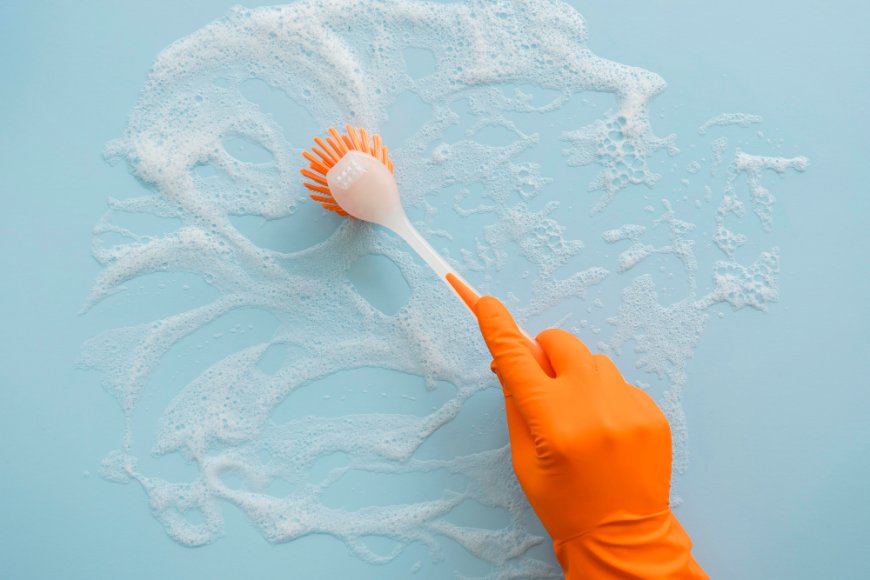
Benefits of Foaming Cleaners
Foaming cleaners are popular for good reasons:
-
Stay longer on surfaces
-
Reduce dripping and waste
-
Make it easier to see where you’ve cleaned
-
Feel more satisfying to use
This is why foam is common in bathroom, kitchen, and carpet cleaners.
Foam vs Liquid Cleaners
| Feature | Foaming Cleaners | Liquid Cleaners |
|---|---|---|
| Surface contact | Longer | Shorter |
| Control | Easier | Can drip |
| Perceived power | High | Moderate |
| Actual effectiveness | Depends on formula | Depends on formula |
Both types work well when used correctly.
Is Foam Safe?
Most foaming cleaners are safe when used as directed.
Always:
-
Follow label instructions
-
Avoid mixing products
-
Use gloves if recommended
Foam itself is not harmful—the safety depends on the ingredients inside the product.
Why People Trust Foaming Products
Foam gives visual feedback. When people see bubbles, they feel the product is working. This psychological effect plays a big role in why foaming cleaners are so popular worldwide.
Final Thoughts
Foam helps cleaning products spread, stay in place, and feel effective—but it’s not the only factor that matters. Understanding how foam works helps you choose the right product for the right job.
At Foaming.org, we focus on explaining foam simply—so you can clean smarter, not harder.